Most meal plans do a decent job with dinner and a weak job with tomorrow. That is where the money leaks out. You cook at home at 6:30, then buy lunch at 12:15 because nothing was set aside, packed, or even thought through. The smart leftover skillet strategy fixes that problem by making lunch part of the dinner decision, not a separate next-day emergency.
This is not the same as random leftovers. It is a small system: choose skillet meals that reheat well, scale them to include a known lunch portion, and pack those portions before the dinner pan gets picked over. EPA says preventing food waste can save grocery money, and USDA MyPlate advises making leftovers part of meal planning because it can save time. (epa.gov)
TL;DR
- Think about tomorrow’s lunch before you cook, not after dinner is over.
- A good leftover skillet needs five things: enough portions, decent reheating quality, low incremental cost, easy packing, and safe storage.
- The right math is incremental cost versus a real bought lunch, not full dinner cost versus lunch.
- Reserve lunch portions before second helpings, and keep crunchy or watery toppings separate.
- Refrigerate leftovers within 2 hours, keep the fridge at 40°F or below, and reheat to 165°F. (fda.gov)
Why this works better than separate dinner and lunch planning
There are some financial advantages as well: You already know how much you are going to spend for dinner, and now you are going to add an additional meal (lunch) onto that amount. The additional cost associated with your lunch meal order – typically just a little more rice, a little more protein or another handful of vegetables – will most likely be significantly less expensive than ordering from a fast food restaurant or café the next day… The actual comparison is not “home-cooked dinner versus bought lunch.” The real comparison is actually “extra groceries needed to create (leftovers) sufficient for 2 lunches versus what you would realistically spend on two lunches if you do not pack lunches.”
Skillets work exceptionally well as an option to create meals when creating portion sizes that are adjustable to your needs. Skillets can easily accommodate protein sources, veggies, and starches or a bean base by having all of these types of foods mixed together prior to cooking. By allowing you to save the more delicate types of food until you serve them is another great reason to utilize skillets. Lastly, a skillets that have been designed to create food so that it can be eaten as leftovers won’t look or taste the same the next day; rather they will remain enjoyable to eat and easy to pack and will be inexpensive enough to replace already made lunches without creating unnecessary waste.
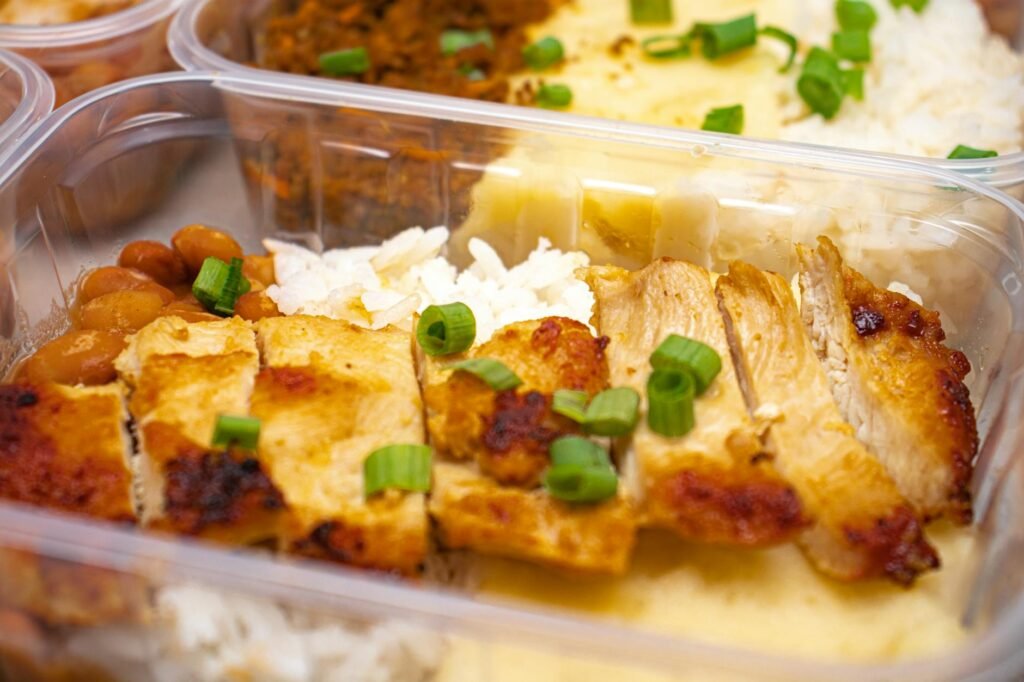
The Lunch-Ready Skillet Score
Score your dinner before you start making it from 0 to 5. If it receives 4 or 5 points, this indicates that it will make a very good lunch. If the score is 3, you should make adjustments to it. If the score falls between 0 and 2, the item could still be used for dinner, but it would not rank as your ideal choice for tomorrows lunch.
- Portion certainty: Can this recipe clearly produce at least one full lunch serving per intended eater after dinner? If you are guessing, it does not get the point.
- Reheat quality: Will the main components still taste good after reheating or eating chilled? Rice bowls, taco skillets, stir-fries, and bean-and-grain pans usually do better than breaded, ultra-crispy, or very creamy dishes.
- Budget conditions for the lunch meal – assuming that the amount of food required will still provide savings after allowing for the cost of the actual amount of food purchased (not the cost associated with potential savings using a homemade lunch). Please check against your normal fallback, as opposed to an
Home-baked lunch.
- Packability: Can it go into a container without leaking, separating badly, or turning mushy? Sauce-heavy and crunchy components often need to travel separately.
- Safe storage fit: Can you portion it into smaller containers and refrigerate it promptly after dinner? If the answer is no, skip it for leftover-lunch duty.
There are two purposes for this scorecard. The first reason is it prevents you from thinking every dinner will make a great lunch option. The second reason is it can show you how to fix your weak dinner plan in a hurry. For example, if your skillet dinner does not have enough portion sizes, you could stretch it with the addition of rice, beans, eggs or frozen veggies. If your skillet dinner is too wet and will become soggy as it cooks, you could still serve it up by packing the wet items and the crunchy items separately. If your skillet dinner costs too much per serving, you may be able to reduce your costs by using less meat and a bigger base.
Build dinner backward from tomorrow’s lunch
- Count tomorrow’s eaters first. If two adults need lunch tomorrow, your recipe must yield dinner tonight plus two actual lunch portions. Do not leave this to chance.
- Choose a cheap extender on purpose. Rice, potatoes, pasta, beans, lentils, tortillas, and frozen vegetables are what make the lunch portion affordable.
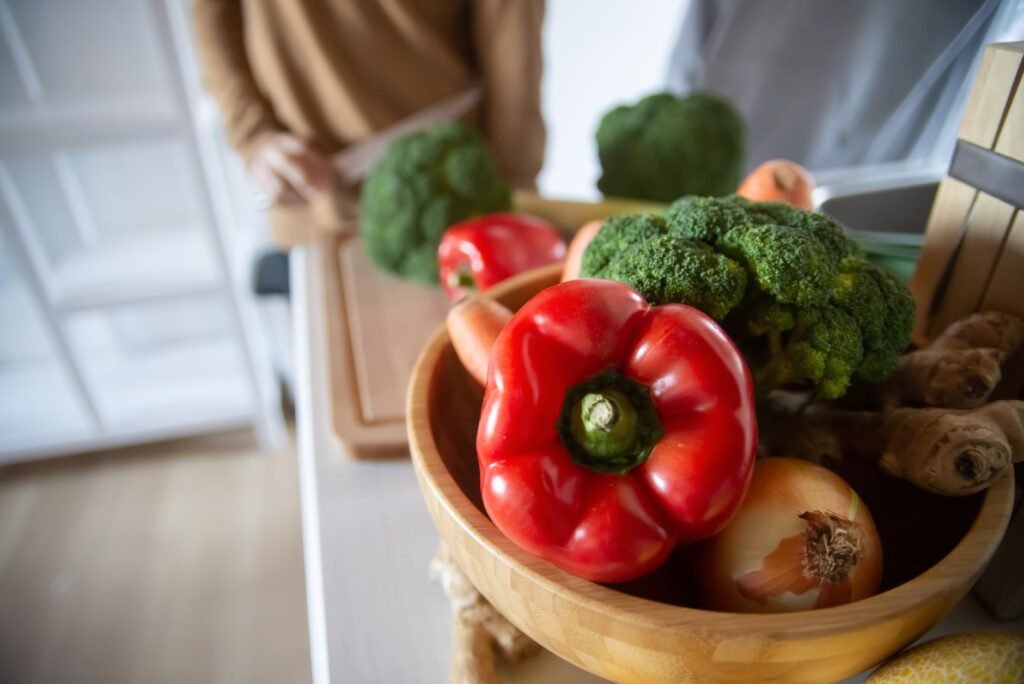
- Use one sturdy vegetable and one finish-at-the-end item. Peppers, onions, broccoli, cabbage, corn, carrots, and mushrooms hold up well. Fresh herbs, avocado, lettuce, tortilla chips, cucumbers, and sour cream usually belong on the side.
- Use seasoning more liberally than usual; however, do not oversalt food. Food may taste bland the next day due to rice or potatoes. Lime juice, vinegar, and salsa may be easier to use when traveling than excessive amounts of salt.
- Reserve lunch before second helpings. Pack the lunch containers first, then bring the rest to the table. This one habit does more than almost any recipe tweak.
- Establish a clear name for the lunch. For example, if your leftover recipes include wraps, bowls, quesadillas, or grain boxes, say the name aloud when cooking. The likelihood of consuming your leftovers increases when there is a clear intention behind the meal rather than recycling what was previously cooked.
A decision table for common skillet types
| Skillet style | Best use case | Next-day lunch quality | Pack separately | Watch out for |
|---|---|---|---|---|
| Chicken, rice, broccoli, soy-garlic skillet | All-purpose weeknight default | High | Cucumber, peanuts, chili crisp | Gets dry if there is not enough sauce or rice |
| Turkey or bean taco skillet | Wraps, bowls, or salads | High | Lettuce, salsa, tortilla chips, avocado | Pre-assembled tacos turn soggy fast |
| Sausage, peppers, and potatoes | Hearty reheated office lunch | Medium | Greens, mustard, fresh herbs | Can feel greasy if potatoes absorb too much oil |
| Tofu vegetable stir-fry | Low-cost meatless lunch | High | Sesame seeds, scallions, extra sauce | Frozen vegetables can water it down if not cooked off |
| Creamy pasta skillet | Best only when lunch is for the very next day | Low to medium | Parmesan, herbs, side salad | Sauce thickens and texture declines quickly |
A realistic example with numbers
Take a two-adult household that wants dinner tonight and two work lunches tomorrow. On Tuesday, the plan is a chicken, broccoli, and rice skillet. If they cook only enough for dinner, they might make roughly three servings for about $8.10. If they intentionally scale it up to five servings, the total cost might rise to about $12.60. These are example numbers for planning purposes, not a national average.
- Dinner-only version: 1 pound chicken thighs, 1 cup dry rice, 12 ounces frozen broccoli, half an onion, oil, garlic, and sauce = about $8.10 for 3 servings.
- Lunch-smart version: 1.5 pounds chicken thighs, 1.5 cups dry rice, 16 ounces frozen broccoli, 1 whole onion, a little more sauce and oil = about $12.60 for 5 servings.
- Incremental cost to create 2 lunches: about $4.50 total, or $2.25 per lunch.
- If the usual fallback is two bought lunches at $12 each: one planned skillet avoids about $19.50 in next-day spending.
That is the key budgeting lens. You are not asking whether homemade food beats restaurant food in theory. You are asking whether an extra $4.50 of groceries is worth avoiding $24 of likely spending tomorrow. In this example, the answer is yes by a wide margin. If a household can pull this off twice a week, the monthly savings may become noticeable without full-on batch cooking or a Sunday meal-prep session that many people do not maintain.
Common mistakes that erase the savings
- Cooking to appetite instead of cooking to yield. If your household routinely goes back for seconds, you need a larger base or the lunches disappear.
- Using only expensive ingredients. A skillet built around steak, shrimp, or all-convenience items can still work, but the lunch math gets weaker fast.
- Mixing everything together too early. Lettuce, chips, herbs, avocado, and quick-pickled toppings should usually stay out of the hot pan.
- Assuming every leftover deserves a container. Some dinners are better converted than repeated. A taco skillet may become a burrito bowl; a sausage skillet may become breakfast hash.
- Skipping the reserve step. If you wait until plates are cleared, you are no longer meal planning. You are scavenging.
- Leaving the pan out while the kitchen winds down. Perishable leftovers need to be refrigerated within 2 hours, not whenever cleanup finally happens. (fda.gov)
When this plan falls short
While the strategy works, sometimes it doesn’t work as well as you would expect. It could potentially not work well in places such as households that tend to eat everything in their house at one time; homes where there is no access to a refrigerator or microwave during the day; lunches that consist of textures that cannot be consumed after a night’s sleep; and weeks that everyone simply gets sick of seeing the same food over and over again. If you find yourself in any of those situations, don’t give up on the initial plan; you should have an alternate plan so that being without one leftover meal does not cause you to have to take out food instead.
- Add a buffer food. Extra rice, beans, tortillas, eggs, or a bag of frozen vegetables can create one or two more lunch servings without much extra cost.
- Portion the protein first. If lunch is the goal, put the next-day portions into containers before the skillet hits the table.
- Convert instead of repeat. Stir-fry becomes fried rice, taco skillet becomes quesadilla filling, and sausage-potato skillet becomes a breakfast bowl with eggs.
- Keep a bridge lunch on hand. A yogurt, fruit, nuts, freezer soup, tuna packet, or leftovers from another night can keep one plan failure from turning into an expensive lunch purchase.
- Use shorter cycles for fragile dishes. If a skillet is only pleasant the next day, plan it for Tuesday night, not Sunday.
Food safety rules that matter more than perfect meal prep
- Refrigerate or freeze prepared food and leftovers within 2 hours. If the temperature is above 90°F, the window is 1 hour. (fda.gov)
- Keep your refrigerator at 40°F or below and the freezer at 0°F. An appliance thermometer is the easiest way to check. (fda.gov)
- To help food cool faster, divide leftovers into smaller or shallow containers before refrigerating. (fda.gov)
- Cooked leftovers can usually be kept in the refrigerator for 3 to 4 days. If plans change, freeze them sooner rather than later. (fsis.usda.gov)
- Reheat leftovers to 165°F, and in the microwave, cover and stir or rotate for more even heating. (fsis.usda.gov)
- If you need to carry lunch without a fridge, use an insulated bag or cooler with ice or frozen gel packs to keep cold food cold. (fda.gov)
How to pressure-test the strategy in your own kitchen
You do not need to read more recipes to find out if this advice is correct. Conduct a simple audit of your lunch skillets for two weeks. You will know quickly if the system saves you money in your house or just appears to be cost-effective on paper.
- Write down the planned skillet and the exact number of lunch portions you expect it to produce.
- Track the incremental grocery cost needed to create those extra portions.
- Mark whether each leftover lunch was eaten, skipped, or replaced by purchased food.
- Give each lunch a quick texture score from 1 to 5. Be honest about sogginess, dryness, or boredom.
- At the end of two weeks, keep only the skillet formats that consistently produced cheap lunches and scored at least a 4 for eatability.
Should the audit not yield a positive outcome, the majority of your solutions will be practical. For instance, you may require additional foundational ingredients in the baked good, use fewer showy toppings inside of an overflowed lunch container, use a smaller-sized lunch container, or have a hard and fast rule that packing lunches occur before anyone is permitted seconds of food. Such is valuable information. When attempting to create a successful system, having a visible failure creates a more apparent datum for future improvement than having a more abstract goal of ‘consuming more leftover”.
Bottom line
This smart leftover skillet strategy is effective since it utilizes dinner economics to provide lunch in conjunction with dinner. Select once-cooked skillet meals that will last several days, rate them accordingly and save any remaining parts to eat at lunchtime before you have any second servings. In addition, compare what you spent for groceries to what you correctly predict you will spend for your next meal. If you accomplish this consistently, it is possible to replace some of the highest-priced, least-planned meals you will ever be eating for approximately the price of one average weeknight skillet meal.
FAQ
How many extra servings should I plan for?
Determine how many people will be eating tomorrow, and then use a ½ portion or 1 full portion as a buffer for those in your household that regularly go for seconds. If you’re unable to consistently hit your target, typically the cause is in the yield, not in your ability to stick with it.
What ingredients reheat worst in a leftover skillet lunch?
Most foods that are breaded, very rich and creamy sauces, delicate greens, avocados, tortilla chips, and all foods whose appeal is based on being crispy, will tend to lose their texture and appeal the fastest. These ingredients are okay to use; however, they work best either as side items or toppings applied just before serving rather than being part of any dish that is prepared in advance.
Is this still worth doing if I buy pre-cut vegetables or rotisserie chicken?
In general, yes. Convenience ingredients are likely to make financial sense for you as long as they enable you to execute the menu according to your plan and your increased costs are below what you typically spend on a lunch bought at the store. The proper comparison in assessing your convenience items would not be based on what is perceived as the cheapest hypothetical homemade meal, it would be based on what you really spend when you are not planning for lunch.
How long can skillet leftovers stay in the fridge?
USDA says cooked leftovers can generally be kept in the refrigerator for 3 to 4 days, and FDA says the refrigerator should be kept at 40°F or below. If you will not eat them within that window, freeze them. (fsis.usda.gov)
Do I need to let the skillet cool on the counter before refrigerating it?
No. USDA says hot food can go directly into the refrigerator, and FDA advises dividing leftovers into smaller containers so they cool faster. What matters most is getting perishable food refrigerated promptly rather than leaving it out. (fsis.usda.gov)
What if I do not have a microwave at work?
Choose skillet formats that still taste good chilled, such as taco bowls, grain-and-bean skillets, or sesame-style noodle or rice bowls. Keep them cold with an insulated lunch bag and ice or frozen gel packs until you eat. (fda.gov)
References
- USDA FSIS: Leftovers and Food Safety
- FDA: Are You Storing Food Safely?
- FDA: Refrigerator Thermometers – Cold Facts about Food Safety
- USDA MyPlate: Planning for Savings, Leftover Edition
- USDA MyPlate: Meal Planning Tip Sheet
- US EPA: Preventing Wasted Food At Home
- USDA FSIS: How do I reheat leftovers safely?
- FDA: Food Safety Quick Tips, Step 4: Chill
- FDA: Handling Food Safely While Eating Outdoors